A patient came in last month with a missing lower molar and a very specific request. “I just want a bridge. It’s faster, it’s cheaper, and I don’t want surgery.” I understand the logic. It’s the same logic I hear from probably half the patients I see for a missing tooth consultation. And about half the time, I end up recommending something different — usually a dental implant — after we go through the full comparison together. Not always. Bridges still have a real place in modern dentistry. But the decision isn’t as simple as “bridge is cheaper and faster,” and there are real trade-offs both ways that I want patients to understand before they commit.
In 20+ years of practice in Huntington Beach, I’ve placed thousands of crowns, bridges, and implants. Each one has a role. The honest truth is that the “best” tooth replacement depends on where the missing tooth is, what’s next to it, your bone quality, your health, your budget, and your long-term goals. Let me walk you through the actual comparison — the stuff that matters — so you can make an informed decision instead of the fastest one.
What a Dental Bridge Actually Is
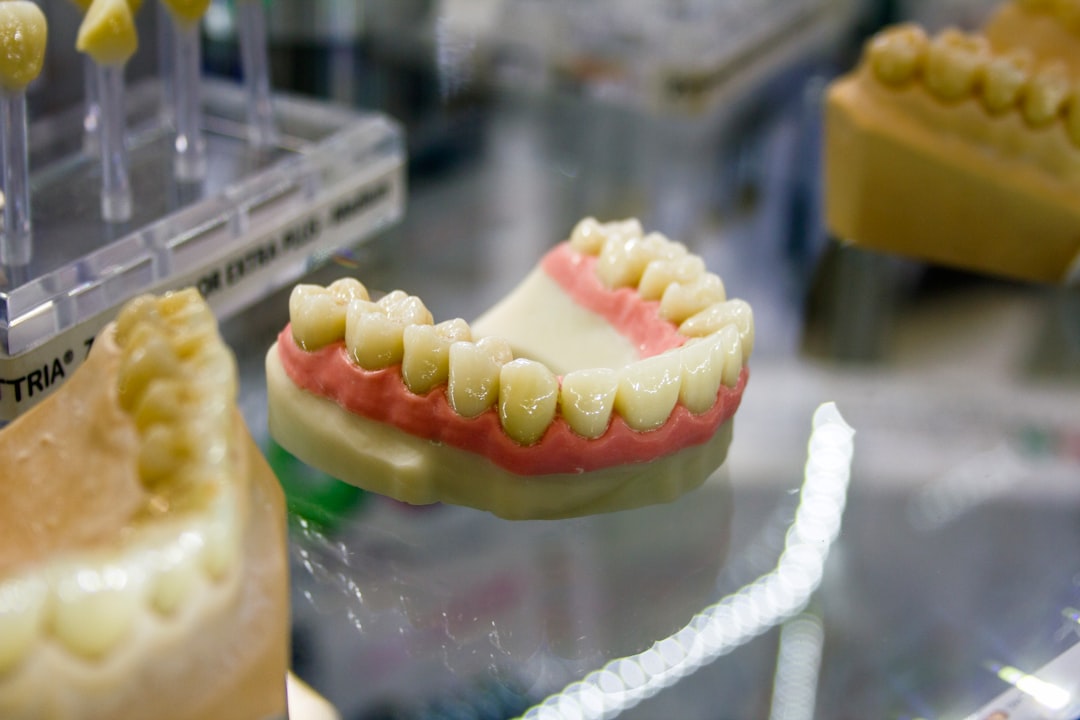
A traditional dental bridge replaces one or more missing teeth by using the teeth on either side of the gap as anchors. The two anchor teeth — called abutments — are prepared (reduced in size, similar to how a crown is prepared) and crowns are placed over them. A fake tooth called a pontic hangs between the two crowns, filling the gap. The three-unit assembly (crown, pontic, crown) is cemented in place as one piece.
There are a few variations:
- Traditional bridge — the three-unit design described above, the most common type
- Cantilever bridge — anchored on only one side, used when there’s only one adjacent tooth available
- Maryland (resin-bonded) bridge — uses wings bonded to the back of adjacent teeth instead of full crowns, minimally invasive but less durable
- Implant-supported bridge — instead of using natural teeth as anchors, implants serve as the foundation
For this comparison, I’m mostly talking about traditional bridges, which are still the most common type placed in general practice.
What a Dental Implant Actually Is
A dental implant is a titanium post surgically placed into the jawbone where the missing tooth was. The bone fuses around the implant over 3-6 months through a biological process called osseointegration. Once the implant is solid, a custom crown is attached on top. The implant acts like an artificial tooth root, providing an independent foundation that doesn’t rely on the neighboring teeth for support. For more detail on how implants work and what the process looks like, my full post on dental implants in Huntington Beach covers the whole journey.
The Head-to-Head Comparison
Here’s where the real decision-making happens. Let me lay out the trade-offs honestly.
Durability and Longevity
Bridges: A well-made traditional bridge lasts 10-15 years on average. Many last longer. The failure points are usually the supporting teeth — cavities develop under the crown edges, the tooth fractures under load, or gum disease affects the abutment. When a bridge fails, it often means the supporting teeth are compromised, which can turn a bridge replacement into a more extensive restoration or even additional tooth loss.
Implants: A successful implant can last 25+ years, and many last a lifetime. The titanium post itself rarely fails once it’s integrated. The crown on top may need replacement after 15-20 years of normal wear, but the foundation stays. According to the American Academy of Implant Dentistry, implant success rates exceed 95% when placed by experienced providers.
Winner: Implants, clearly. The longevity difference matters most for younger patients who will need the replacement to last decades.
Bone Preservation
Bridges: Don’t address bone loss. When a tooth is extracted, the underlying jawbone immediately begins to resorb — you can lose up to 25% of the bone width in the first year. A bridge sits over the gum and doesn’t provide the mechanical stimulation that keeps bone healthy. Over years, the bone under the pontic shrinks, and eventually you can see the aesthetic change as the gum line recedes.
Implants: Preserve bone by mimicking the function of a natural tooth root. The titanium post integrates with the jawbone and provides the same mechanical signaling that maintains bone density. For patients thinking about 20-30 years from now, this matters enormously — especially for anyone in their 40s or 50s making a decision that will affect how their face looks as they age.
Winner: Implants, decisively. Bone preservation is the single biggest argument for implants over bridges for most patients under 65.
Impact on Adjacent Teeth
Bridges: Require preparation (grinding down) of the two adjacent teeth — even if those teeth are perfectly healthy. This is a significant compromise. Every millimeter of tooth structure removed is permanent. If one of those anchor teeth ever needs a root canal or develops problems, the whole bridge may need replacement.
Implants: Leave the adjacent teeth untouched. The implant is its own independent unit. If a tooth next to the implant develops a problem 10 years later, that problem can be treated without disturbing the implant.
Winner: Implants. Preserving your natural tooth structure is always preferable, especially when the adjacent teeth are healthy.
Cost
Bridges: A traditional three-unit bridge in the Orange County area typically costs $3,000-$4,500. Insurance usually covers 50% after deductible, leaving an out-of-pocket cost of $1,500-$2,250 depending on your specific plan.
Implants: A single implant (post + abutment + crown) typically costs $3,500-$5,500 in our area. Insurance coverage varies — some plans cover implants well, some don’t. Out-of-pocket after insurance typically ranges from $2,000-$4,500.
Winner: Bridges, by about 15-25%. This is the strongest argument for bridges for patients on a tight budget.
But consider this: if the bridge fails in 12 years and needs replacement (possibly with additional bone loss and aesthetic complications), the cumulative 20-year cost often approaches or exceeds the implant cost. The upfront price difference shrinks when you look at the long-term math.
Treatment Time
Bridges: Typically completed in 2-3 weeks total — one visit to prepare the teeth and take impressions, 1-2 weeks of lab fabrication, and a second visit to place the final bridge. You leave the first visit with a temporary bridge so you’re never without a tooth.
Implants: Take 4-6 months from start to finish. One visit to place the implant, 3-6 months of healing for osseointegration, and a final visit to place the crown. Some cases can use immediate temporaries so you’re not walking around with a gap, but the full process is longer.
Winner: Bridges, clearly. For patients with time pressure — an upcoming wedding, a business trip, a specific event — the speed advantage is real.
Procedure Intensity
Bridges: Minimally invasive. No surgery. The preparation is similar to getting two crowns at once. Most patients tolerate it easily under local anesthesia.
Implants: Involve a minor surgical procedure to place the post in the jawbone. Recovery is typically 2-3 days of mild soreness managed with over-the-counter medication. Most patients report it’s less uncomfortable than a tooth extraction. But it is still a surgical procedure, and some patients prefer to avoid surgery altogether.
Winner: Bridges, for patients with surgery aversion or medical conditions that complicate oral surgery.
Oral Hygiene and Cleaning
Bridges: Require special cleaning. You can’t floss between the pontic and the gum using standard floss. Instead, you need to use floss threaders, super floss, or a water flosser to clean under the bridge. Plaque that accumulates under a bridge can cause decay on the abutment teeth and gum disease in the surrounding tissue.
Implants: Clean like a natural tooth. Regular brushing and flossing is all you need, the same way you’d care for any other tooth.
Winner: Implants. Easier daily care leads to better long-term outcomes.
When a Bridge Is Actually the Right Call
I don’t want to leave the impression that bridges are always the wrong choice. They have real advantages in specific situations:
When the adjacent teeth already need crowns anyway. If the teeth next to the missing tooth are already compromised — large failing fillings, existing crowns that need replacement, cracked teeth — using them as bridge abutments doesn’t sacrifice healthy tooth structure because the structure wasn’t fully intact to begin with. In this case, a bridge is often the most efficient solution.
When the patient has significant bone loss. If the site lacks the bone volume needed for an implant and the patient doesn’t want to undergo bone grafting (which adds time and cost), a bridge can be the more practical option.
When health conditions complicate implant surgery. Uncontrolled diabetes, certain medications (bisphosphonates for osteoporosis), active cancer treatment, or severe cardiovascular issues can increase implant failure risk. In these patients, a bridge avoids the surgical risks altogether.
When the patient is older with a shorter treatment horizon. The bone preservation advantage of implants matters most for patients who will live 30+ more years. For patients in their 80s with other health priorities, the faster, less invasive bridge option often makes more practical sense.
When budget is the primary constraint. If insurance won’t cover an implant and the patient genuinely can’t afford the out-of-pocket difference, a well-made bridge is dramatically better than leaving the gap untreated. A tooth replacement you can afford is better than an ideal tooth replacement you can’t.
When the missing tooth is adjacent to an existing bridge or crown. Extending an existing bridge or replacing a failed one may be more straightforward than placing a new implant, depending on the specifics.
When an Implant Is the Right Call
For most patients, especially those under 65 in reasonably good health, an implant is the better long-term investment. Specifically, I recommend implants when:
- You’re under 65 and want a solution that will last decades
- The adjacent teeth are healthy and don’t need crowns
- You have adequate bone (or are willing to do a bone graft if needed)
- Bone preservation matters to you (it should)
- Ease of daily care is important
- You can afford the higher upfront cost or qualify for financing
- You’re medically cleared for minor oral surgery
For a deeper look at the implant process itself, my post on dental implants in Huntington Beach covers every step.
The Third Option: Implant-Supported Bridge
For patients missing multiple adjacent teeth, there’s a hybrid option worth knowing about. Instead of placing individual implants for each missing tooth, we can place two implants at the ends and attach a bridge between them. This gives you the bone preservation of implants with fewer surgical procedures, and it’s often more cost-effective than replacing each missing tooth individually.
The same idea scales up: full-arch restorations (All-on-4) replace an entire set of missing teeth on just 4-6 implants per arch. My post on dentures vs. implants covers these options in detail.
Dr. Tran’s Approach: How I Actually Recommend Treatment
After two decades of placing both bridges and implants, here’s how I think about the decision.
I start with the patient’s goals, not the product. What do you want to be able to do with the tooth? How long do you need it to last? What’s your realistic budget? What are your concerns about surgery?
I evaluate the clinical reality. What does the bone look like? Are the adjacent teeth healthy or compromised? Are there systemic health factors that affect the decision?
I explain both options honestly. Not as a sales pitch — as an education. You should leave the consultation understanding both the pros and cons of each choice for your specific case.
I recommend based on what I’d do for a family member. This is my honest test. If you were my dad, my wife, or my daughter, what would I actually recommend? That’s the recommendation you get.
I support whatever decision you make. If I recommend an implant and you choose a bridge because of budget or timeline, I’ll place the best bridge possible. The point isn’t to impose my preference — it’s to give you enough information to choose.
Frequently Asked Questions
How do I decide between a bridge and an implant?
Consider these factors in order: the health of your adjacent teeth, your age and expected treatment horizon, your bone quality, your budget, and your willingness to undergo minor surgery. For most patients under 65 in good health with healthy adjacent teeth, an implant is the better long-term choice. For others, a bridge is a reasonable option. A consultation with thorough examination is the only way to make a truly informed decision.
Which lasts longer, a bridge or an implant?
Implants, by a significant margin. A successful implant can last 25+ years, often a lifetime, while bridges typically last 10-15 years. The crown on an implant may need replacement eventually, but the titanium post itself rarely fails.
Is a bridge really cheaper than an implant?
Upfront, yes — by about 15-25% in most cases. But if you factor in the possibility of bridge replacement in 12-15 years, plus potential complications on the abutment teeth, the lifetime cost advantage shrinks or disappears. Implants often win on total-cost-of-ownership over 20-30 years.
Does insurance cover dental bridges?
Most PPO dental insurance plans cover bridges, typically at 50% after deductible, subject to annual maximums. Implant coverage varies more — some plans cover them well, some don’t cover them at all. We verify your specific benefits before treatment. Our post on maximizing dental insurance benefits has strategy tips for making the most of your coverage.
Can I get a bridge if I’ve had a missing tooth for years?
Probably, yes. Bridges don’t require the same bone volume as implants because they anchor to adjacent teeth rather than the bone itself. This is actually one of the practical advantages of bridges for patients with significant bone loss.
What happens if one of the teeth holding a bridge goes bad?
This is the main risk of bridges. If an abutment tooth develops a cavity, fractures, or needs a root canal, the entire bridge may need to be removed and replaced. Sometimes the tooth can be saved with additional treatment, and sometimes it can’t. This is one of the reasons implants have a long-term advantage — they don’t put adjacent teeth at risk.
Related Reading
- Dental Implants in Huntington Beach: What to Expect
- Dentures vs. Dental Implants: Which Is the Better Choice for You?
- Dental Crowns vs. Veneers: Which One Do You Actually Need?
Missing a tooth and not sure what to do about it? Contact Peninsula Dentistry in Huntington Beach at (714) 374-8800 or book a consultation online. I’ll evaluate your specific situation, walk you through both options honestly, and help you make the right long-term decision.

Dr. Kenneth Tran, DDS
AuthorDr. Tran earned his DDS from NYU College of Dentistry and has practiced dentistry in Huntington Beach for over 20 years. He provides comprehensive care from routine cleanings to complex implant cases at Peninsula Dentistry.