Root Canal Therapy
Nobody wants to hear they need a root canal -- but Dr. Tran's patients in Huntington Beach will tell you it's not the nightmare you're picturing. We'll save your tooth and get you out of pain.
What Is a Root Canal and Why Would You Need One?
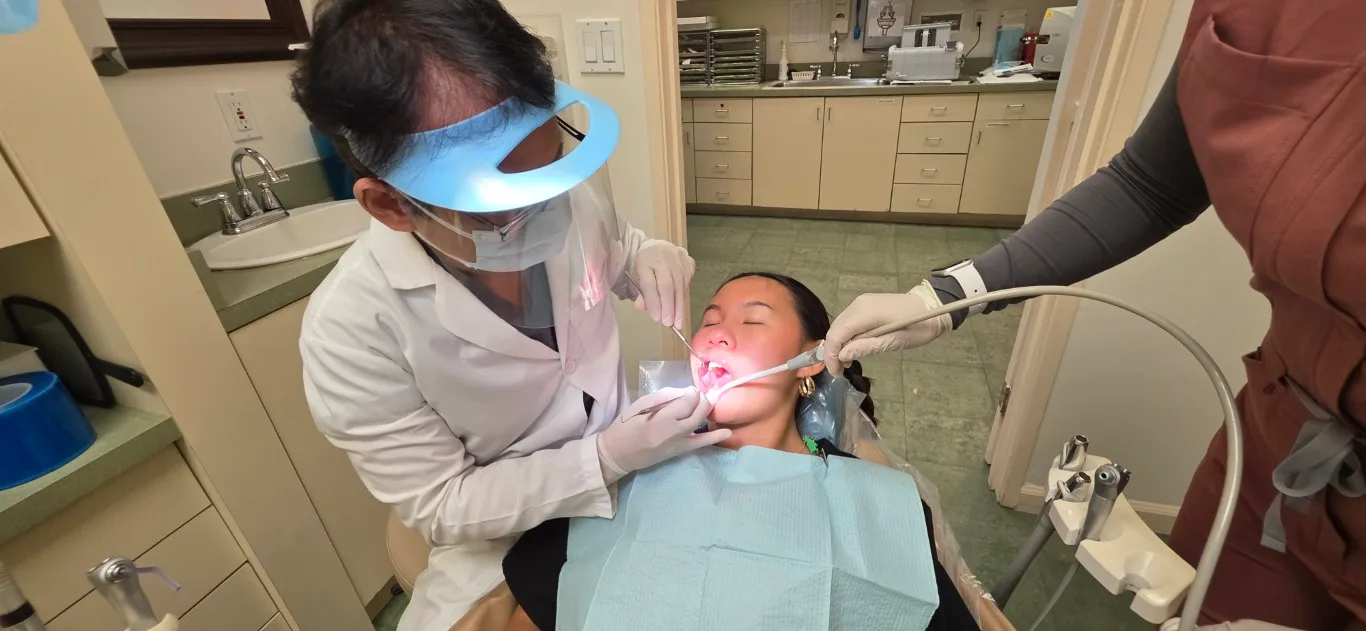
Root canal therapy is a procedure that saves an infected or damaged tooth by removing the diseased pulp tissue, cleaning and shaping the root canals, and sealing them to prevent reinfection. It preserves your natural tooth and eliminates pain -- Dr. Tran has performed this treatment for over 20 years at Peninsula Dentistry in Huntington Beach.
Here's what's actually happening when you need a root canal: the soft tissue inside your tooth has gotten infected or damaged -- maybe from a deep cavity, a crack, or an old injury. That infection is what's causing the pain. A root canal removes the problem, cleans everything out, and saves the tooth so you don't have to lose it.
Dr. Tran uses digital imaging and modern rotary instruments to make the whole thing faster and more precise. You'll be completely numb before anything starts, and most patients are genuinely surprised at how uneventful it is. If you're dealing with a toothache right now, don't sit on it -- the sooner we treat it, the better the outcome, and we see patients from all over Huntington Beach for exactly this.
Dr. Tran's perspective
"I know root canals have a bad reputation, but honestly? Most patients tell me it wasn't nearly as bad as they expected. I take my time, make sure you're completely numb, and talk you through every step. I've been doing these for over 20 years right here in HB -- if there's a way to save your tooth, we'll find it."
Why Is Saving Your Natural Tooth Better Than Extraction?
Saving your natural tooth is almost always the best option. Here is why.
Save Your Natural Tooth
Root canal therapy preserves your original tooth structure, avoiding extraction and the need for implants or bridges.
Eliminate Pain
The procedure removes the infected nerve tissue that causes your toothache, providing lasting relief from pain.
Prevent Infection Spread
Treating the infected pulp stops bacteria from spreading to surrounding teeth, gums, and even your bloodstream.
Modern Anesthesia
Advanced numbing techniques ensure you are completely comfortable throughout the entire procedure.
Quick Recovery
Most patients return to normal activities the next day with only mild tenderness that resolves quickly.
Affordable Treatment
Root canal therapy is significantly more cost-effective than extraction followed by an implant or bridge.
What to Expect
A clear, step-by-step look at how we make root canal therapy comfortable and effective.
Diagnosis & X-Rays
We take detailed digital X-rays to assess the extent of infection and determine the precise anatomy of your tooth roots for a targeted treatment plan.
Anesthesia & Comfort
Profound local anesthesia is administered to ensure you feel absolutely no pain. Sedation options are available for patients with dental anxiety.
Cleaning Infected Pulp
Using precision instruments and magnification, we carefully remove the infected nerve tissue and thoroughly clean and shape the root canals.
Filling & Sealing
The cleaned canals are filled with a biocompatible material called gutta-percha and sealed to prevent reinfection.
Crown Placement
A custom crown is placed over the treated tooth to restore its full strength, function, and appearance for years to come.
Do You Need
a Root Canal?
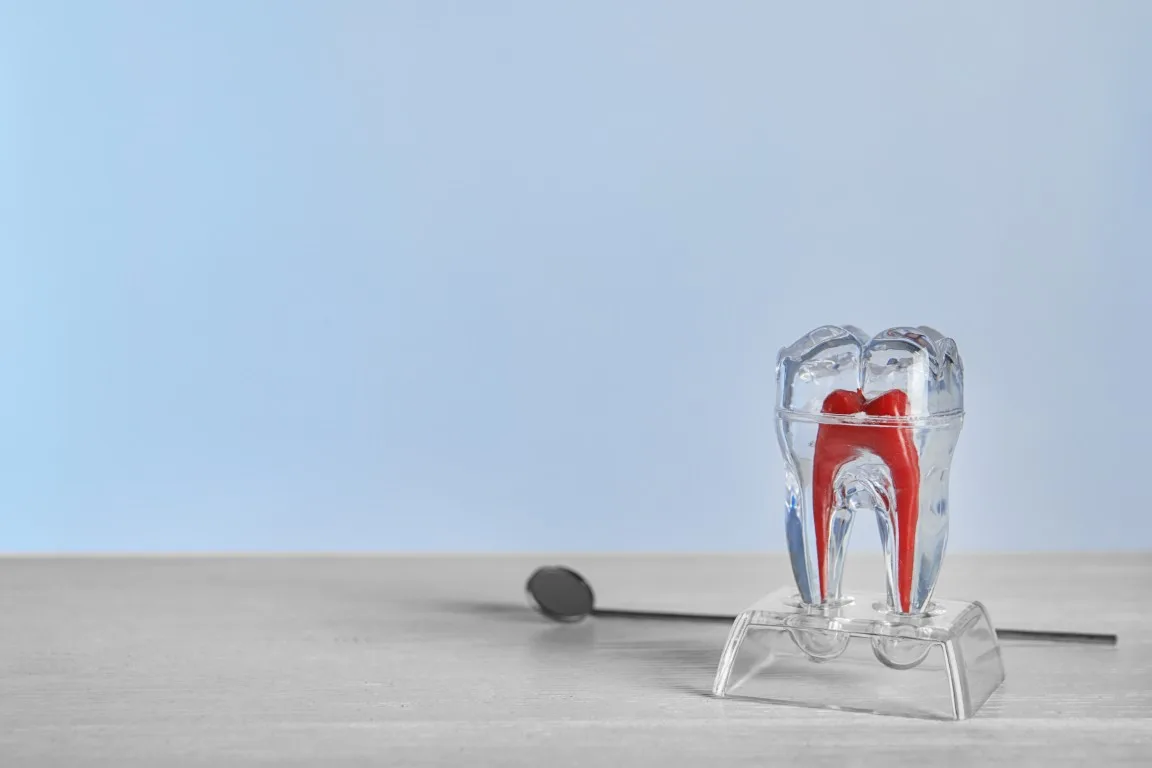
Root canal therapy is the most reliable way to save a tooth with infected or damaged pulp — but knowing when you need one isn't always obvious. Dr. Tran provides an honest assessment so you understand your options before making any decision.
Signs You May Need One
Severe, Lingering Toothache
Pain that intensifies when biting, or that lingers long after eating or drinking something hot or cold, is a classic indicator that the tooth's nerve is inflamed or infected.
Swelling Around the Tooth
Swelling in the gum, jaw, or face near a tooth signals a bacterial infection spreading beyond the root tip — a situation that needs prompt treatment.
Darkening or Discoloration
A tooth that has become noticeably gray or dark often indicates the nerve has died. This can occur after trauma even if you never felt significant pain.
Pimple or Abscess on the Gum
A recurring pimple-like bump (called a fistula) near the base of a tooth is the body draining an abscess — a clear sign that root canal treatment is needed.
Deep Decay Reaching the Pulp
When decay progresses past the enamel and dentin and reaches the tooth's pulp chamber, a filling is no longer sufficient — root canal therapy is necessary to save the tooth.
Why Saving the Tooth Matters
Cheaper Than Replacement
A root canal plus crown costs significantly less than extracting the tooth and later replacing it with a dental implant or bridge.
Keeps Bite Aligned
Losing a tooth allows neighboring teeth to drift into the gap, shifting your bite and potentially causing TMJ problems or further tooth loss over time.
Preserves Jawbone
Natural tooth roots stimulate the jawbone and prevent resorption. Extraction can lead to bone loss that changes your facial structure over time.
Ends the Pain Quickly
Most patients feel significant relief shortly after the procedure — not pain from it. The procedure eliminates the infected tissue that was causing the discomfort.
Long-Lasting Results
A well-performed root canal followed by a proper crown can last decades — often for the rest of your life with good oral hygiene.
Tooth pain that won't go away?
Don't wait — call us today and Dr. Tran will evaluate whether root canal therapy can save your tooth.
Should You Get a Root Canal
or an Extraction?
When a tooth is severely infected, patients often wonder whether to save it or remove it. Here's an honest comparison to help you and Dr. Tran make the best decision for your smile.
Root Canal
Removes infected pulp while preserving your natural tooth structure.
Tooth Extraction
Removing the tooth entirely when it cannot be saved by other means.
Not sure which option is right for your tooth? with Dr. Tran and we'll give you a clear, honest recommendation.
Frequently Asked Questions
Everything you need to know about root canal therapy. Have more questions? Give us a call.
(714) 374-8800
Is root canal therapy painful?
How long does a root canal take?
What are the signs I need a root canal?
What happens after a root canal?
Related Services
Treatments that work hand-in-hand with root canal therapy.
Nobody Should Put Off Dental Work Because of Money
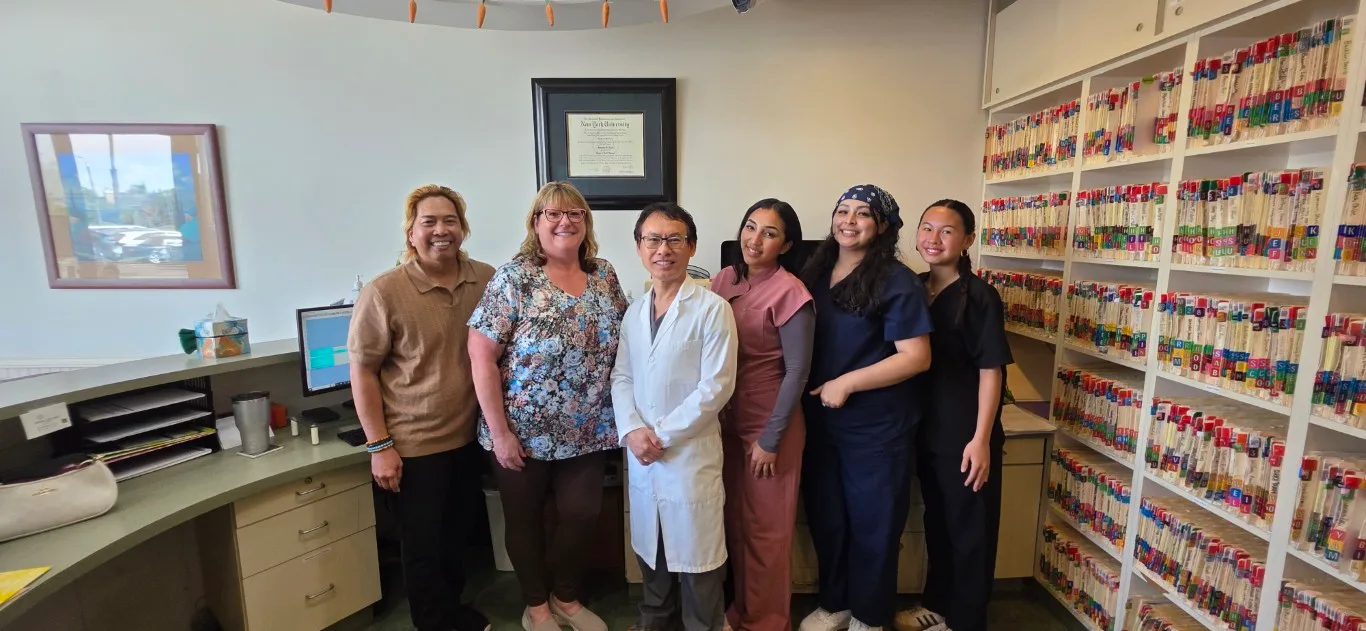
Our front desk team — they've been with us for years — will walk you through your insurance, explain exactly what's covered, and make sure there are no surprises. If you don't have insurance, we'll work with you.
PPO Insurance Accepted
We accept most major PPO dental plans. Our Huntington Beach team handles the paperwork and verifies your benefits before you sit in the chair — so you know exactly what to expect.
Flexible Payment
Cash, credit, debit — whatever works for you. We'll tell you the cost upfront. No hidden fees, no surprises.
Financing Available
Need to spread it out? CareCredit and Cherry let you get the dental care you need now and pay monthly. We'll help you apply right in the office.
Root Canal Therapy for Patients Across North OC
Come See Us —
You're Family Here
Whether it's your first visit or you've been coming for years, Dr. Tran and the team are ready to take care of you. We're right here in Huntington Beach, in the Peninsula Marketplace next to Ralph's.
- Free, no-pressure consult
- Confirmed within 1 business day
- Most PPO insurance & CareCredit