Nobody plans on a dental emergency. You’re biting into a piece of sourdough at one of those great little spots on Main Street, and suddenly — crack. Half a tooth is sitting on your plate. Or your kid takes an elbow to the mouth during a basketball game at Edison High. Or you wake up at 2 a.m. with a toothache so intense it feels like your whole head is throbbing.
I’ve been handling dental emergencies in Huntington Beach for over 20 years, and the one thing I can tell you is this: what you do in the first 30 to 60 minutes can make the difference between saving a tooth and losing it. So let’s walk through exactly what to do — step by step — for the most common dental emergencies, so you’re not panicking when it happens to you or someone you love.
Knocked-Out Tooth
This is the big one, and time is absolutely critical. If an adult tooth gets knocked out completely, you have about a 30-minute window where reimplantation has the best chance of success.
What to do right now:
- Find the tooth. Pick it up by the crown (the white part you normally see). Never touch the root — the cells on the root surface are what allow it to reattach.
- Rinse gently. If the tooth is dirty, rinse it briefly under clean water. Don’t scrub it, don’t use soap, and don’t wrap it in a tissue or let it dry out.
- Try to place it back in the socket. This sounds intimidating, but it’s the best thing you can do. Gently push it into the hole it came from and hold it in place by biting down on a clean cloth. If it’s a child and you’re worried they’ll swallow it, skip this step.
- Keep it moist. If you can’t put it back in, place the tooth in a small container of milk — whole milk is ideal. No milk? Tuck it between your cheek and gum (for adults only). The goal is to keep those root cells alive.
- Get to us immediately. Call Peninsula Dentistry at (714) 374-8800. We make room for dental emergencies the same day. The faster you get here, the better the odds.
A knocked-out baby tooth is different — we typically don’t try to reimplant baby teeth because it can damage the developing permanent tooth underneath. But still call us so we can make sure nothing else is going on.
Severe Toothache
A toothache that won’t quit is your tooth trying to tell you something important. It usually means the nerve inside is inflamed or infected, and it’s not going to resolve on its own.
What to do right now:
- Rinse with warm salt water. Half a teaspoon of salt in eight ounces of warm water. This can help reduce inflammation and clean out any debris that might be making things worse.
- Take over-the-counter pain relief. Ibuprofen (Advil) is your best bet because it reduces both pain and inflammation. Follow the dosage on the label. Alternating ibuprofen with acetaminophen (Tylenol) can be effective for more intense pain.
- Never put aspirin directly on the gum. I still see patients who try this. Aspirin is acidic — it’ll burn the soft tissue and make things worse.
- Apply a cold compress. A bag of ice wrapped in a towel, held against the outside of your cheek for 15-20 minutes at a time, can help with both pain and swelling.
- Avoid hot, cold, or sweet foods and drinks. Anything that triggers the pain should be avoided until we can evaluate you.
A severe, persistent toothache often points to a condition that may need a root canal. I know that phrase makes people cringe, but modern root canals are nothing like what your parents went through. We’ll talk more about that in a bit.

Broken, Cracked, or Chipped Tooth
The severity here ranges widely. A small chip on a front tooth is cosmetically annoying but not urgent. A cracked tooth that sends a shooting pain every time you bite down — that’s a different story.
What to do right now:
- Rinse your mouth with warm water to clean the area.
- Save any pieces of the tooth if possible. Place them in milk or water.
- If there’s bleeding, press a piece of clean gauze against the area for 10 minutes.
- Apply a cold compress to the outside of your cheek to reduce swelling.
- Cover any sharp edges with dental wax or sugar-free gum to protect your tongue and cheeks from cuts.
- Avoid chewing on that side until you can see us.
What I tell patients: don’t assume a cracked tooth is no big deal just because the pain is manageable. A crack that reaches the root can lead to infection, and at that point, treatment becomes more involved. It’s always easier — and cheaper — to deal with it early.
Lost Filling or Crown
This happens more often than you’d think, especially with older restorations. You’re chewing gum or eating something sticky, and suddenly there’s a weird metallic taste and a gap where your filling used to be.
What to do right now:
- Keep the crown or filling if you can find it. If it’s a crown, clean it gently and try placing it back on the tooth using a small amount of denture adhesive or even a dab of toothpaste as a temporary measure. This protects the exposed tooth underneath.
- Avoid chewing on that side.
- For sensitivity, clove oil (available at most pharmacies) applied with a cotton swab can help numb the area temporarily. It’s an old-school remedy, but it actually works.
- Don’t use super glue. I’ve seen it. Please don’t.
- Call us to schedule a visit. A lost filling or crown isn’t usually a same-minute emergency, but you shouldn’t wait more than a day or two. The exposed tooth is vulnerable to decay and further damage.
Dental Abscess
An abscess is a pocket of infection, usually at the root of a tooth or in the gum tissue. It often shows up as a painful, swollen bump on the gum that might look like a pimple. Sometimes it drains a foul-tasting fluid.
This one is serious. A dental abscess is an active infection, and infections in the head and neck area can spread to dangerous places — including your airway and bloodstream. Don’t wait on this.
What to do right now:
- Call us immediately. An abscess requires professional treatment — typically drainage, antibiotics, and addressing the underlying cause (which is often a root canal or extraction).
- Rinse with warm salt water several times a day to help draw the infection toward the surface and provide temporary relief.
- Take ibuprofen for pain and swelling.
- Don’t try to pop or squeeze it. You risk spreading the infection.
If you develop a fever, have difficulty swallowing or breathing, or notice swelling spreading to your eye or neck, go to the emergency room. That’s not a dental-office situation anymore.
When to Go to the ER vs. the Dentist
This question comes up a lot, and it’s a good one. Here’s the honest answer:
Go to the ER if:
- You have uncontrollable bleeding that won’t stop after 15-20 minutes of firm pressure
- You have a broken jaw or suspect facial bone fractures
- Swelling is affecting your ability to breathe or swallow
- You have a high fever with facial swelling (signs of a spreading infection)
- The injury involves more than just the teeth — head trauma, deep lacerations, etc.
Come to us for everything else. Emergency rooms can manage pain and prescribe antibiotics, but they typically don’t have dentists on staff. They can’t do a root canal, replant a tooth, or repair a crown. For actual dental treatment, you need a dentist.
That’s why we keep same-day emergency appointments available. When you call Peninsula Dentistry with an emergency, we don’t put you on a three-week waitlist. We get you in the same day — often within hours — because we know that dental emergencies don’t wait.
Peninsula’s Same-Day Emergency Policy
I built this practice on the idea that when patients need us, we’re here. Life in Huntington Beach is active — surfing, sports, kids running around Shipley Nature Center, weekend softball leagues at Murdy Park. Stuff happens. Teeth break. Accidents occur.
When you call our office with an emergency, here’s what happens:
- You talk to a real person. Our front desk team is trained to triage dental emergencies over the phone. They’ll ask what happened and give you immediate guidance.
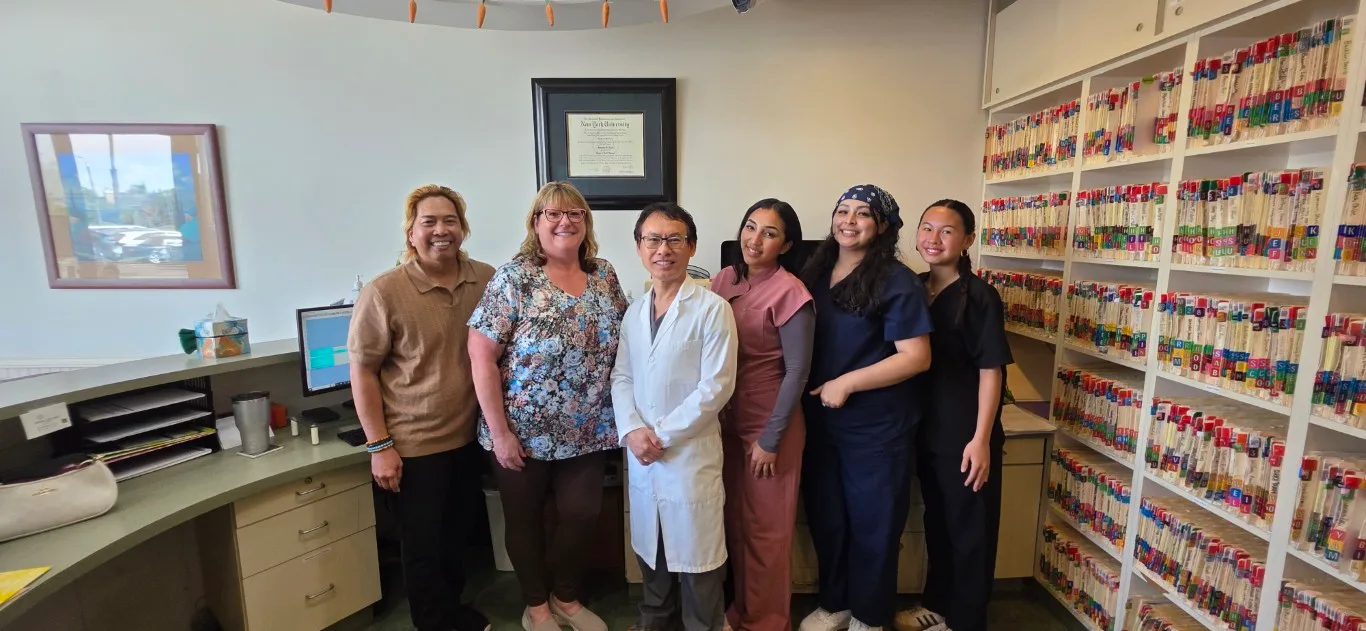
- We get you in the same day. We reserve time in Dr. Tran’s schedule specifically for emergencies because we know they’re unpredictable.
- We assess and stabilize. The priority is always to get you out of pain and prevent further damage. From there, we discuss the full treatment plan — whether that’s a root canal, a crown, a repair, or something else.
- We’re upfront about costs. Before any treatment begins, you’ll know what your insurance covers and what your out-of-pocket will be. No surprises.
We accept most PPO insurance plans and offer flexible payment arrangements for uninsured patients. A dental emergency is stressful enough — worrying about the bill shouldn’t make it worse.
Prevention: How to Reduce Your Risk
I’d rather help you avoid a dental emergency than treat one. A few simple habits go a long way:
- Wear a mouthguard. If you play contact sports, surf competitively, or even mountain bike, a custom mouthguard is one of the best investments you can make. The ones we fabricate in-office fit better and protect better than the boil-and-bite versions from the pharmacy.
- Don’t chew ice, hard candy, or popcorn kernels. These are the top tooth-cracking culprits I see. Every single week.
- Keep up with regular dental visits. A weakened tooth that could have been caught and reinforced with a crown during a routine exam is the same tooth that cracks on a Friday night. Prevention is always easier.
- Address problems early. That small crack, that tooth that’s been “a little sensitive” — don’t ignore it. Small problems become emergencies when they’re neglected.
Frequently Asked Questions
How quickly should I get to the dentist after a dental emergency?
As fast as possible. For a knocked-out tooth, the ideal window is within 30 minutes. For a severe toothache or abscess, same-day treatment is important to prevent the condition from worsening. For a chipped tooth or lost filling, try to get seen within 24-48 hours. Call us at (714) 374-8800 — we make room for emergencies the same day.
Can a knocked-out tooth really be saved?
Yes, if you act quickly and handle the tooth correctly. The key is keeping the root cells alive — don’t let the tooth dry out, and get to the dentist within 30 minutes if possible. Teeth that are reimplanted quickly have a significantly higher success rate.
Is a toothache considered a dental emergency?
A mild, occasional twinge isn’t an emergency. A persistent, severe toothache — especially if it’s accompanied by swelling, fever, or sensitivity to heat — usually indicates an infection or nerve damage and should be treated the same day. Ignoring it won’t make it go away, and the underlying problem will only get worse.
Does Peninsula Dentistry accept walk-in emergencies?
We strongly prefer that you call first so we can prepare for your arrival and give you guidance on what to do in the meantime. That said, if you’re in our area and in acute pain, come in. We’ll do everything we can to see you.
How much does emergency dental treatment cost in Huntington Beach?
It depends entirely on what’s needed. An exam and X-ray to assess the situation is straightforward. Treatment could range from a simple repair to a root canal or extraction. We’ll explain the costs clearly before any treatment begins, and we work with most PPO dental insurance plans. Don’t let cost prevent you from getting help — untreated dental emergencies always cost more in the long run.
Related Reading
- 5 Signs You Might Need a Root Canal (And Why It’s Not as Scary as You Think)
- How to Overcome Dental Anxiety: Tips From a Dentist Who Gets It
Dealing with a dental emergency right now? Call Peninsula Dentistry in Huntington Beach at (714) 374-8800 or visit our emergency dental page for more information. We’re here for you — same day, no lectures, just help.

Dr. Kenneth Tran, DDS
AuthorDr. Tran earned his DDS from NYU College of Dentistry and has practiced dentistry in Huntington Beach for over 20 years. He provides comprehensive care from routine cleanings to complex implant cases at Peninsula Dentistry.