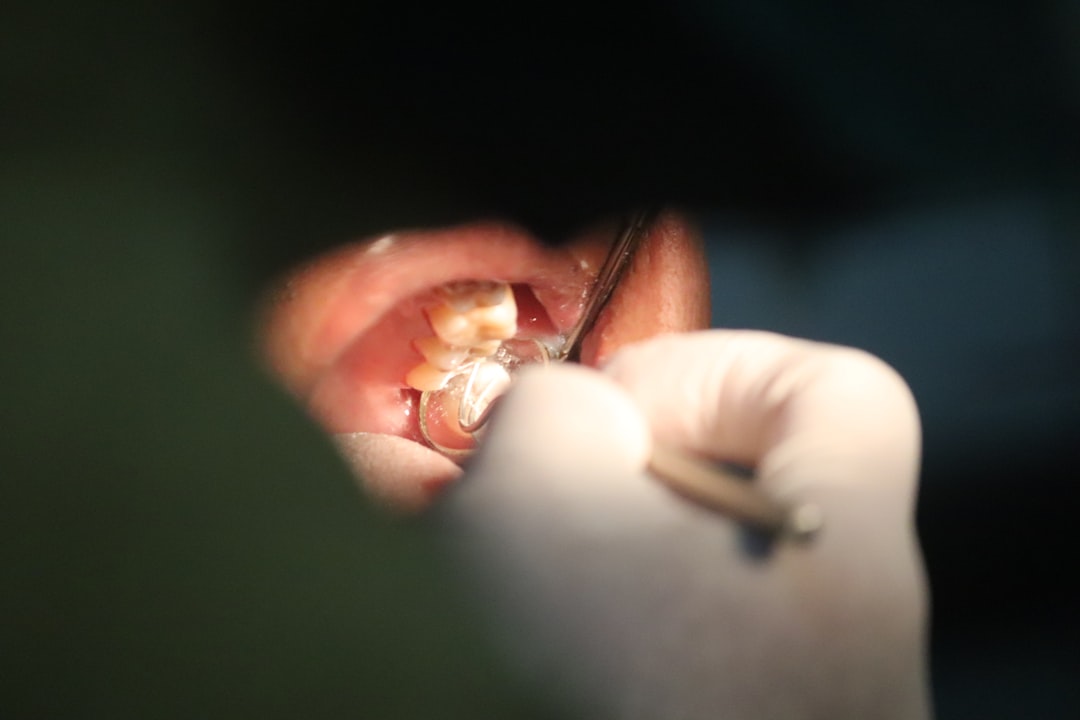
A patient sat in my chair last week and pointed to her upper molar. “I’ve had this silver filling since I was twelve, and it just fell out. I don’t want another one of those — can you do the white kind?” I told her what I tell everyone who asks that question in my Huntington Beach practice: yes, and that’s all we do here anymore. The last amalgam filling I placed in this office was years ago.
The shift from silver amalgam fillings to tooth-colored composite resin is one of the biggest practical changes in general dentistry over the last two decades. It’s not just about looks — though looks matter. It’s about preserving more of your natural tooth, avoiding mercury, bonding directly to the tooth structure, and getting a result that actually looks like a tooth when you smile or laugh. If you’ve been told you need a filling and you’re wondering what your options are, here’s the honest breakdown from someone who’s placed thousands of them.
What Is a Composite Filling, Exactly?
Composite resin is a mixture of plastic (resin) and finely ground glass or ceramic particles. When I place it in a prepared cavity, it’s soft and moldable — almost like clay. I pack it into the space, shape it to match the natural contours of your tooth, and then cure it with a special blue light that hardens the material in seconds. Once cured, it’s bonded directly to the tooth structure and matched to the exact shade of your surrounding enamel.
The material itself has come a long way. Early composites from the 1980s and 1990s were less durable, stained easily, and weren’t suitable for back teeth where chewing forces are highest. Modern composites are strong enough for molars, resist staining, and match natural tooth color so closely that even other dentists can struggle to spot them. The tooth-colored composite fillings we place at Peninsula Dentistry today look nothing like the composite fillings from twenty years ago.
Why We Moved Away From Silver Amalgam
Let me be clear about something: the FDA considers dental amalgam safe for most patients over six years old, and I’m not here to create panic about existing silver fillings in anyone’s mouth. But there are real reasons why composite has become the standard of care in modern dentistry.
Mercury content. Dental amalgam is roughly 50% elemental mercury by weight, mixed with silver, tin, and copper. The FDA has recommended against placing amalgam in pregnant women, nursing mothers, children under six, and patients with certain neurological conditions. Most dentists — me included — stopped placing amalgam altogether rather than maintaining a double standard based on which patient was in the chair.
Tooth structure preservation. Amalgam fillings require a specific cavity shape to stay in place. They’re not bonded to the tooth — they’re mechanically wedged in, which means I have to remove more healthy tooth structure to create undercuts that lock the filling in place. Composite bonds directly to the tooth, which means I can take a more conservative approach and preserve more of what’s yours. Over a lifetime, that matters. Every millimeter of tooth structure I save today is insurance against more invasive treatment later.
Thermal expansion. Metal fillings expand and contract with hot and cold food. Over years, this repeated stress can create micro-cracks in the surrounding tooth. I’ve seen plenty of molars crack along the edges of old amalgam fillings. Composite expands at a rate much closer to natural tooth structure, putting far less stress on the remaining tooth.
Aesthetics. This is the obvious one. A silver filling shows every time you laugh. A composite filling is invisible. For front teeth, composite has been the standard for decades for obvious reasons. For back teeth, the aesthetic argument used to be “nobody sees it anyway” — but patients in Huntington Beach have made it clear they care, even for molars.
No marginal leakage. Amalgam doesn’t bond to the tooth, so over time the seal between the filling and the tooth can break down, letting bacteria seep underneath and cause new decay. Composite’s chemical bond to the tooth creates a more reliable seal.
What Happens During a Composite Filling Appointment
The process at my Huntington Beach office is straightforward and usually takes 45 to 60 minutes for a single filling.
Numbing the area. I use topical anesthetic gel before any injection, and I numb you completely before I touch anything. You should feel pressure and vibration during the procedure but not pain. If you feel anything sharp, raise your hand and I’ll stop immediately.
Removing the decay. I use a high-speed handpiece to gently remove the decayed tooth structure, taking only what’s necessary. The goal is to leave every bit of healthy tooth intact.
Preparing the tooth. I apply a mild etching gel, then a bonding agent. These prepare the tooth surface to chemically bond with the composite material.
Placing the composite. I place the composite in small layers, curing each layer with a blue light before adding the next. For larger fillings this takes longer because each layer has to be thin enough to cure completely. Rushing this step leads to failed fillings, and I don’t rush.
Shaping and polishing. Once the composite is fully cured, I shape it to match the natural contours of your tooth and check your bite with articulating paper. I’ll have you bite down, slide your teeth side to side, and tell me if anything feels “high.” Any adjustments happen right then — no leaving my office with a filling that feels wrong.
Final polish. A smooth, polished surface resists staining and feels natural to your tongue.
You walk out with a tooth that looks completely normal, and you can eat on it immediately — there’s no waiting period like there was with old amalgam fillings.
How Long Do Composite Fillings Last?
This is the fair question people ask, and I’ll give you an honest answer. Modern composite fillings in the right situation typically last 8 to 12 years, with many lasting 15+ years when properly placed and cared for. Amalgam fillings, by comparison, often lasted 12 to 15 years.
So yes — composite has historically had a slightly shorter average lifespan than amalgam. But that gap has closed significantly as materials have improved, and it comes with real trade-offs worth understanding:
A composite filling that fails at year 10 is usually repairable. I can often add to it, resurface it, or replace just the composite without removing additional tooth structure. An amalgam failure often means a crown because too much tooth is gone.
Longevity depends heavily on the case. A small composite in a low-stress area (like a pit on the chewing surface) can easily last 15+ years. A large composite replacing most of a back molar is under much more stress and may need replacement sooner. I’ll always tell you what to expect based on your specific situation.
Care habits matter. Grinders and clenchers wear out any filling faster. If you’re grinding at night and you don’t wear a nightguard, expect shorter restoration life across the board — amalgam, composite, or otherwise.
When a Filling Isn’t the Right Answer
Sometimes a tooth is too damaged for a filling of any kind. Here’s where I have the conversation about alternatives:
Large cavities. If more than about 50% of the tooth structure is gone, a filling won’t have enough healthy tooth to bond to reliably. At that point I’d recommend an inlay, onlay, or crown — all of which restore strength more effectively than a large composite.
Cracked teeth. If the tooth has a significant crack, a filling won’t hold the tooth together. Cracks often need crowns to prevent the tooth from splitting under chewing forces.
Repeated filling failure. If the same tooth has had three or four fillings replaced over the years, each time a little more tooth is lost. Eventually the right answer is to step up to a crown and stop chasing the problem.
Decay reaching the nerve. If decay has progressed into the pulp chamber, a filling won’t help — we’re looking at a root canal followed by a crown.
I’ll always tell you when a filling is enough and when it isn’t. I’d rather do a more involved restoration once and have it last than do a series of fillings that keep failing.
Should I Replace My Existing Silver Fillings?
This question comes up constantly, and my honest answer might surprise some people: not automatically.
If you have a silver filling that’s intact and sealed, not causing sensitivity or pain, not showing signs of decay around the edges, and not cracked or leaking — then leaving it alone is usually the right call. Replacing a functional amalgam filling means removing additional tooth structure, which works against the goal of preserving your natural teeth.
I’d recommend replacing a silver filling when:
- It’s clearly failing — cracked, leaking, or decay visible underneath
- The tooth is hurting or sensitive
- The aesthetics bother you significantly and it’s a visible tooth
- You’re otherwise updating the full quadrant (major work nearby)
For patients who want their old amalgams replaced purely for aesthetic or mercury-concern reasons, I’ll do it — but I’ll have the honest conversation first about the trade-offs so you’re making an informed choice.
How I Approach Fillings: Dr. Tran’s Philosophy
After 20+ years of placing restorations, my approach is pretty straightforward: use the least invasive restoration that solves the problem completely, and do it well enough that we don’t have to come back to it.
Catch it early. The smallest cavities get the smallest fillings. Skipping your regular cleanings is the single biggest reason fillings become crowns, and crowns become root canals. A $250 filling is a lot cheaper than a $1,500 crown or a $2,000 root canal, and your tooth stays intact. Every six-month exam catches new decay at its smallest stage.
Take the time the procedure deserves. I’m not watching the clock during a filling. Composite placement done properly takes more time than amalgam ever did, and rushing it is the most common cause of early failure. I’d rather spend an extra fifteen minutes getting it right than have you back in a year.
Match the shade carefully. A filling that blends invisibly takes more effort than one that’s “close enough.” I use shade guides under natural light and, for front teeth especially, layer different shades of composite to mimic how natural enamel changes color from the base of the tooth to the tip. It’s the difference between “I can tell that’s a filling” and “I had no idea.”
Tell you the truth about trade-offs. If a filling isn’t the right answer, I’ll tell you. If your old amalgam doesn’t need replacing, I’ll tell you that too. My job isn’t to sell you as much dentistry as possible — it’s to keep your teeth healthy for as long as possible.
Frequently Asked Questions
Are tooth-colored fillings as durable as silver ones?
Modern composites are significantly stronger than the composites from twenty years ago and durable enough for back teeth. Lifespan depends on the size and location of the filling, your bite forces, and your oral hygiene — most composite fillings last 8 to 15 years, comparable to amalgam in many cases.
How much does a composite filling cost in Huntington Beach?
A composite filling in the Orange County area typically costs $200 to $450 per tooth, depending on the size and number of surfaces involved. Most PPO dental insurance plans cover composite fillings the same as amalgam — generally 80% after your deductible. At Peninsula Dentistry, we verify your benefits before treatment so you know your exact out-of-pocket cost upfront.
Will my insurance cover white fillings or only silver?
The vast majority of modern dental insurance plans cover composite fillings at the same percentage as amalgam for front teeth. For back teeth, some older plans still pay at the amalgam rate and ask you to cover the difference — this is called a “downgrade.” We check your specific plan during the benefits verification before any treatment.
Do composite fillings stain over time?
High-quality composites resist staining much better than older formulations, but heavy coffee, red wine, tea, and tobacco can cause gradual staining over years. Regular professional cleanings remove surface staining. For front teeth where aesthetics matter most, I can replace or resurface a stained composite fairly easily.
Can I eat normally after getting a composite filling?
Yes, immediately. Unlike old amalgam fillings that required waiting hours before chewing, composites are fully cured and hardened before you leave my chair. The only restriction is that your mouth will be numb from the anesthetic for a couple of hours, so I recommend waiting until sensation returns before eating anything hot or hard — just to avoid accidentally biting your cheek or tongue.
Should I have my old silver fillings removed just to be safe?
Not automatically. The FDA considers existing amalgam fillings safe for most adults, and removing a functional amalgam unnecessarily means removing additional healthy tooth structure each time. I only recommend replacement when there’s a clinical reason — failure, decay, sensitivity, or significant aesthetic concern. If you’re not sure about a specific filling, bring it up at your next exam and I’ll take a look.
Related Reading
- Dental Crowns vs. Veneers: Which One Do You Actually Need?
- 5 Signs You Might Need a Root Canal (And Why It’s Not as Scary as You Think)
- How to Maximize Your Dental Insurance Benefits Before They Expire
Need a filling replaced or a new cavity addressed? Contact Peninsula Dentistry in Huntington Beach at (714) 374-8800 or book an appointment online. I’ll walk you through exactly what you need — no more, no less.

Dr. Kenneth Tran, DDS
AuthorDr. Tran earned his DDS from NYU College of Dentistry and has practiced dentistry in Huntington Beach for over 20 years. He provides comprehensive care from routine cleanings to complex implant cases at Peninsula Dentistry.