At Peninsula Dentistry, we get this question from parents almost every day: “When should my kid get braces?” It’s a great question, and the answer isn’t one-size-fits-all. Some children benefit from early treatment as young as age 7, while others are better off waiting until they’re 11 or 12. And for adults? It’s never too late.
We’ll break this down so you know exactly what to look for and when to act.
The Age 7 Recommendation (And Why It’s Earlier Than You Think)
The American Association of Orthodontists (AAO) recommends that every child have their first orthodontic evaluation by age 7. That surprises a lot of parents. “Seven? They still have baby teeth!” That’s exactly the point.
By age 7, enough permanent teeth have come in — typically the first molars and the front incisors — that we can assess three critical things:
- How the jaw is growing. Is the upper jaw too narrow? Is the lower jaw growing too far forward or lagging behind? Jaw growth issues are much easier to address while a child is still growing.
- How the bite is developing. Crossbites, open bites, and deep bites can all be identified at this age, even with a mix of baby and permanent teeth.
- Whether there’s enough room for permanent teeth. We can spot crowding problems years before they become severe, which gives us more options for treatment.
An evaluation at age 7 doesn’t mean treatment at age 7. In fact, most kids we see at this age get a simple verdict: “Everything looks good — let’s keep an eye on it.” we’ll see them annually to monitor growth and development, and we’ll start treatment when the timing is optimal.
But for some children, early intervention makes a significant difference.
Phase 1 Treatment: Early Intervention (Ages 7-10)
Phase 1 orthodontics — also called interceptive treatment — addresses problems that are better corrected while the jaw is still actively growing and before all permanent teeth have erupted. Not every child needs Phase 1, but for those who do, it can prevent more invasive treatment down the road.
Conditions that benefit from Phase 1:
Posterior crossbite
A crossbite is when the upper jaw is narrower than the lower jaw, causing the top teeth to bite inside the bottom teeth on one or both sides. This is one of the most important conditions to treat early. Why? Because a growing child’s upper jaw has a suture (growth plate) in the middle that we can expand using a palatal expander. This is a painless, predictable treatment that literally widens the jaw.
Once that suture fuses — which happens in the early to mid-teens — expansion requires much more aggressive treatment, sometimes including surgery in adulthood. Treating it at age 8 or 9 is dramatically simpler.
Severe crowding
If it’s clear that there simply isn’t enough room in the jaw for all the permanent teeth coming in, early expansion or selective extraction of baby teeth can guide the permanent teeth into better positions. This can reduce the severity and length of Phase 2 braces later.
Protruding front teeth
Kids with front teeth that stick out significantly are at higher risk for dental trauma — an elbow during PE class, a fall off a bike at Huntington Central Park, a wipeout at the skate park. Phase 1 treatment can pull those teeth back and reduce the risk of injury during the active years when kids are most likely to take a hit.
Harmful habits
Prolonged thumb sucking, tongue thrusting, or mouth breathing can alter jaw development and tooth positioning. Habit-breaking appliances and early orthodontic guidance can redirect growth before permanent damage is done.
What Phase 1 looks like:
Phase 1 typically involves appliances like palatal expanders, partial braces (on just the front teeth or specific teeth), space maintainers, or habit-breaking appliances. Treatment usually lasts 6-12 months, followed by a resting period where we wait for more permanent teeth to come in.
Phase 1 doesn’t always eliminate the need for Phase 2 (full braces later), but it often makes Phase 2 shorter, simpler, and more predictable.
Phase 2: Full Braces for Teens (Ages 11-14)
This is the “traditional” braces timeline that most people think of. Phase 2 is comprehensive orthodontic treatment — full braces on all permanent teeth — that corrects alignment, spacing, bite, and overall smile aesthetics.
Why this age range works best for most kids:
By age 11-13, most or all permanent teeth have erupted (except wisdom teeth), and the child is still growing. This combination is ideal because:
- All the teeth are present. We can work with the complete set, addressing every alignment and spacing issue at once.
- Growth is still active. We can harness natural jaw growth to help correct bite issues. An overbite in a 12-year-old, for example, can often be corrected by guiding the lower jaw’s growth — something that’s much harder in a non-growing adult.
- Compliance is manageable. Teens are old enough to maintain oral hygiene with braces, keep appointments, and follow instructions. (Most of the time. We know — we work with teens every day.)
Treatment typically lasts 12-24 months, depending on the complexity of the case. At Peninsula Dentistry, we see our braces patients every 4-6 weeks for adjustments. Each visit is quick — usually 15-20 minutes — and our team makes the process as easy as possible for both the teen and the parents.

Braces options for teens today
The metal brackets of today are smaller, more comfortable, and more efficient than what you had growing up. But teens also have options:
- Metal braces: Still the most common and most versatile. They’re effective for all case types and come with the perk of colored bands — which most teens actually enjoy picking out.
- Clear ceramic braces: Same mechanics as metal but with tooth-colored brackets. They’re less noticeable, which matters to some teens. The trade-off is that they’re slightly larger and can stain if oral hygiene isn’t excellent.
- Clear aligners: For teens with mild to moderate alignment issues and the maturity to wear them consistently, clear aligners can be an excellent option. We assess each case individually — aligners aren’t right for every teen, but when they are, teens love the flexibility and aesthetics.
Adult Braces: It’s Never Too Late
Here’s something we tell every adult who walks in feeling self-conscious about wanting braces at 30, 40, or even 60: you’re not alone, and there’s absolutely no age limit on improving your smile and your bite.
About 25% of orthodontic patients today are adults. Some never had braces as kids. Some had braces but didn’t wear their retainer (we hear this one a lot), and their teeth shifted back over the years. Some have developed bite issues as they’ve aged. Whatever the reason, adult orthodontic treatment is effective and increasingly common.
What’s different about treating adults:
- No more jaw growth. In adults, the jaws are fully developed. This means we can’t rely on growth modification to correct bite issues — we work exclusively with tooth movement. For severe jaw discrepancies, we sometimes coordinate with an oral surgeon for orthognathic (jaw) surgery.
- Bone density. Adult bone is denser than a teenager’s, which means teeth may move a bit more slowly. Treatment times are sometimes slightly longer, but the results are equally excellent.
- Existing dental work. Adults often have crowns, bridges, implants, or missing teeth that need to be factored into the orthodontic plan. We coordinate closely with Dr. Tran to ensure everything works together.
- Aesthetics matter more. Most adults prefer treatment options that are less visible. Clear aligners are extremely popular with adult patients, and clear ceramic braces are another great option.
Common adult treatment scenarios we see:
- Relapsed crowding from not wearing a retainer after childhood braces
- Lower front teeth that have gradually crowded over the years
- Bite problems causing uneven wear on teeth or jaw pain (TMJ issues)
- Preparing teeth for restorative work — sometimes Dr. Tran needs a tooth moved into a better position before placing a crown or implant
- Simply wanting a straighter, more confident smile
The average adult treatment time in our practice is 12-18 months, though simpler cases with clear aligners can be as short as 6 months.
Signs Your Child Needs an Orthodontic Evaluation
You don’t need a referral to schedule a consultation. But here are the signs we’d want parents to watch for:
- Early, late, or irregular loss of baby teeth. If baby teeth fall out significantly earlier or later than expected, it can indicate spacing or crowding issues developing underneath.
- Difficulty chewing or biting. If your child avoids certain foods, chews only on one side, or complains that biting hurts, there may be a bite alignment issue.
- Mouth breathing or snoring. Chronic mouth breathing can be a sign of a narrow upper jaw or airway issues that orthodontic expansion can help address.
- Thumb sucking past age 5. Prolonged thumb sucking changes the shape of the palate and the position of the front teeth. The sooner we address it, the less correction is needed later.
- Crowded, overlapping, or misplaced teeth. This one’s usually obvious — if the teeth coming in look crowded or crooked, it’s worth an evaluation.
- Jaws that click, pop, or shift. Jaw joint issues in young patients can be related to bite misalignment.
- Protruding front teeth. Teeth that stick out significantly are both a cosmetic concern and a trauma risk.
- Teeth that don’t meet when the mouth closes. An open bite (gap between upper and lower teeth when biting down) should be evaluated early.
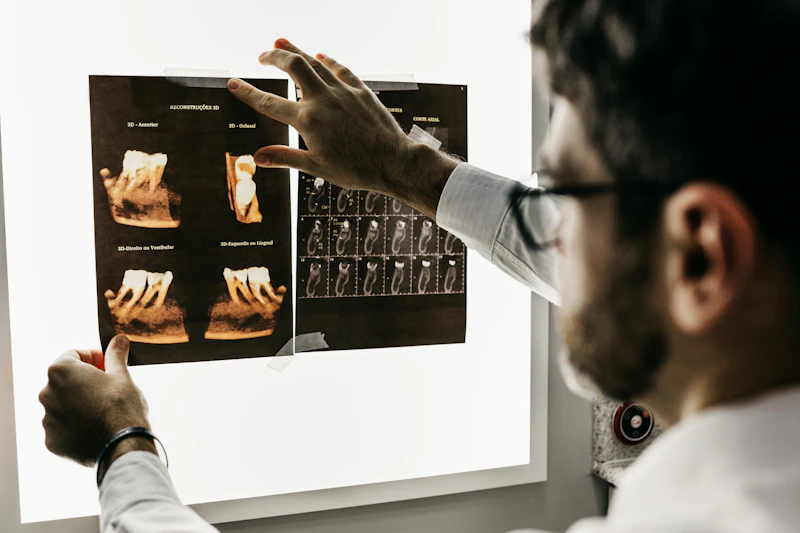
If any of these apply to your child, schedule a consultation. The evaluation is straightforward — we’ll do a clinical exam, take any necessary X-rays, and give you our honest assessment. If treatment isn’t needed yet, we’ll tell you. If it is, we’ll explain exactly what’s involved, how long it’ll take, and what it’ll cost.
Our Orthodontic Approach at Peninsula Dentistry
At Peninsula Dentistry, orthodontic planning and general dentistry are coordinated around the full picture of your oral health. That matters more than people realize.
When Dr. Tran identifies a developing orthodontic issue during a routine cleaning, he walks the patient down the hall to the team. When the team is moving teeth and notices a cavity forming, the patient goes straight to Dr. Tran. There’s no phone tag, no waiting weeks for a referral appointment, no miscommunication between offices. It’s seamless, and it results in better care.
Our philosophy is straightforward:
- Treatment should be timed right, not rushed. We don’t start Phase 1 treatment unless there’s a clear clinical benefit to treating early. We’ll never recommend braces for a 7-year-old if waiting until 12 would give the same result.
- Every patient gets a custom plan. We don’t plug cases into a software algorithm and hope for the best. We plan every case individually, considering the patient’s specific anatomy, goals, and lifestyle.
- Communication is constant. Parents should understand exactly what’s happening at every appointment. We explain what we’re adjusting, why, and what to expect before the next visit. No surprises.
- The finish matters as much as the start. We don’t remove braces until the bite is right, the alignment is right, and we’re confident in the result. Rushing the end of treatment for the sake of a timeline leads to compromised outcomes.
Here in Huntington Beach, we treat a lot of active kids — surfers, athletes, kids in martial arts. We factor their activities into the treatment plan. Custom sports mouthguards during braces, flexible scheduling around travel and tournaments, and an understanding that life doesn’t stop during orthodontic treatment.
Cost and Insurance: What to Expect
Orthodontic treatment in the Huntington Beach and Orange County area typically ranges from:
- Phase 1 treatment: $2,500 – $4,500
- Full braces (Phase 2 or standalone): $4,000 – $7,000
- Clear aligners: $3,500 – $6,000
Many dental insurance plans include an orthodontic benefit — typically a lifetime maximum of $1,500 to $2,000. Our front desk team will verify your benefits before we begin and give you a clear picture of your out-of-pocket costs.
We also offer monthly payment plans that spread the cost over the course of treatment, making it manageable for families. Orthodontic treatment is an investment in your child’s long-term oral health, function, and confidence — we want it to be financially accessible.
Frequently Asked Questions
My child is 7 and their teeth look fine. Do they still need an evaluation?
Yes, we’d still recommend it. Many orthodontic issues — jaw growth discrepancies, developing crowding, crossbites — aren’t visible to the untrained eye. An evaluation at 7 is quick, non-invasive, and gives us a baseline to track development. Most kids we see at 7 don’t need treatment yet, and that’s a perfectly fine outcome. The evaluation is about having the information so we can act at the right time if needed.
Can adults get braces even if they have crowns or missing teeth?
Absolutely. We treat adults with existing dental work regularly. Brackets bond well to most crown materials, and missing teeth can actually be incorporated into the treatment plan — sometimes we close the space orthodontically, and sometimes we create ideal spacing for Dr. Tran to place an implant after orthodontics. We plan around your existing dental situation.
How long do braces take for the average teenager?
Most teen treatments take 12-24 months. The exact timeline depends on the complexity of the case — simple crowding might take 12-14 months, while a severe overbite with crowding could take 20-24 months. We’ll give you an estimated timeline at the consultation and keep you updated throughout treatment.
Do braces hurt?
There’s an adjustment period after braces are placed and after each tightening appointment. Most patients describe it as pressure or soreness — not sharp pain. It typically lasts 2-4 days and is manageable with over-the-counter pain medication. After the first few adjustments, most teens say they barely notice it.
Should I choose braces or clear aligners for my teenager?
It depends on the case. We evaluate every teen individually. For complex bite issues or significant crowding, braces are usually more effective. For mild to moderate alignment issues in a responsible teen who’ll wear the aligners consistently, clear aligners can be excellent. During the consultation, we’ll explain which option we recommend and why — there’s no pressure to choose one over the other.
Related Reading
- Clear Aligners vs. Braces: Which Is Right for You?
- Your Child’s First Dental Visit: What to Expect and How to Prepare
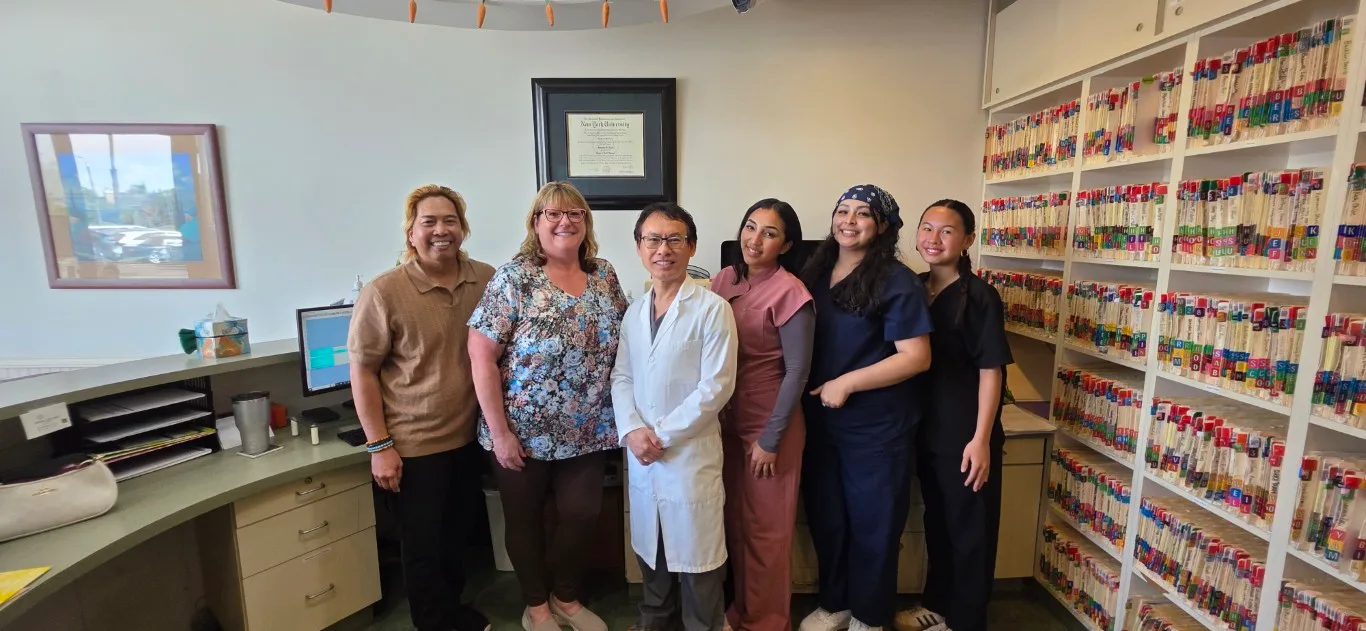
Ready to find out if it’s the right time for your child’s braces — or yours? Schedule a complimentary orthodontic consultation at Peninsula Dentistry in Huntington Beach. Call (714) 374-8800 or book online. Meet our full dental team here.

Dr. Kenneth Tran, DDS
AuthorDr. Tran earned his DDS from NYU College of Dentistry and has practiced dentistry in Huntington Beach for over 20 years. He provides comprehensive care from routine cleanings to complex implant cases at Peninsula Dentistry.